The short list that holds up in 2026 — illustrated summaries and links to the originals.
Curated by Rob Reliability · All summaries are original work · Every source is cited and linked
Everything below is the theory we run in practice, on your CMMS data. Start with the Bad Actor Diagnostic – from $7,000, delivered in 3–4 weeks.
The references that hold up in daily use. Sensors, IIoT and AI made most of them more relevant, not less.
Near-timeless guidance on pumps, compressors, turbines, lubrication and failure avoidance. The physics of rotating equipment has not changed.
Work management, planning & scheduling, KPIs and maintenance maturity. Still the backbone of CMRP and CRL preparation programs.
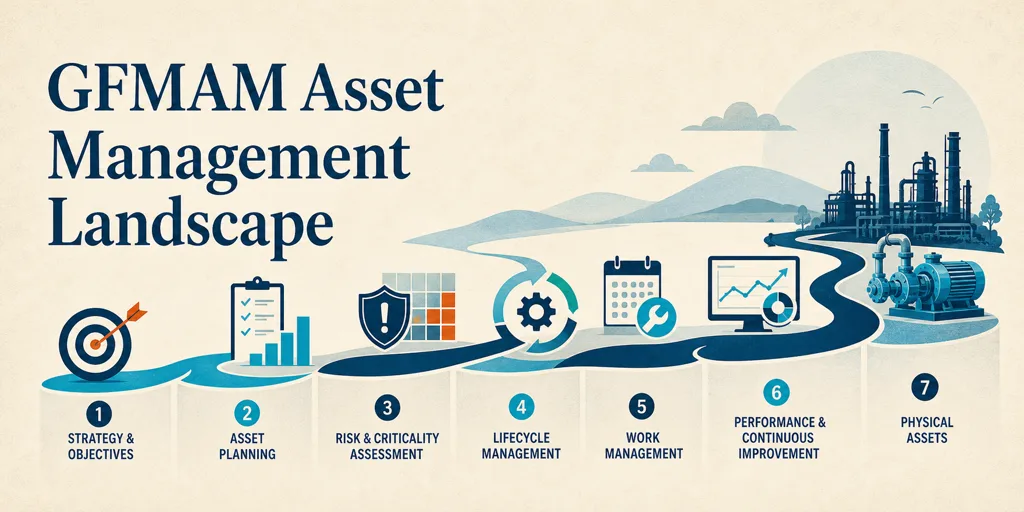
A structured map of modern reliability: criticality analysis, reliability strategy development, defect elimination and asset management as one system.
The best current synthesis of what a modern reliability engineer must master: business, manufacturing process, equipment reliability, work management, leadership.
Often more useful in practice than ISO 55000 itself. Used by major miners, oil majors and utilities to connect asset management, reliability, risk and maintenance.
Hundreds of high-quality articles on bad actors, defect elimination, precision maintenance and reliability culture. A working engineer's reference shelf.
Historically essential documents. They created the discipline, but they predate IIoT, modern analytics and AI – treat them as foundations, not operating manuals.
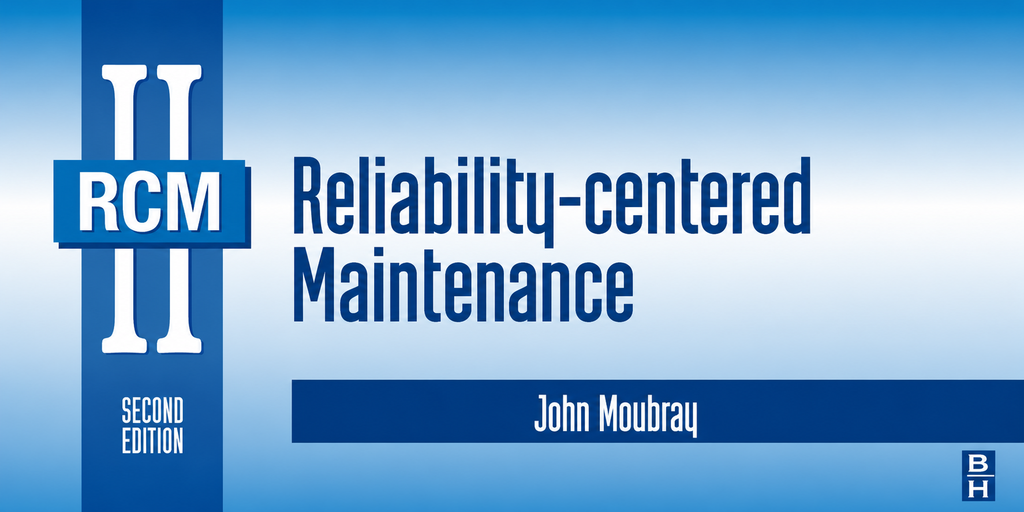
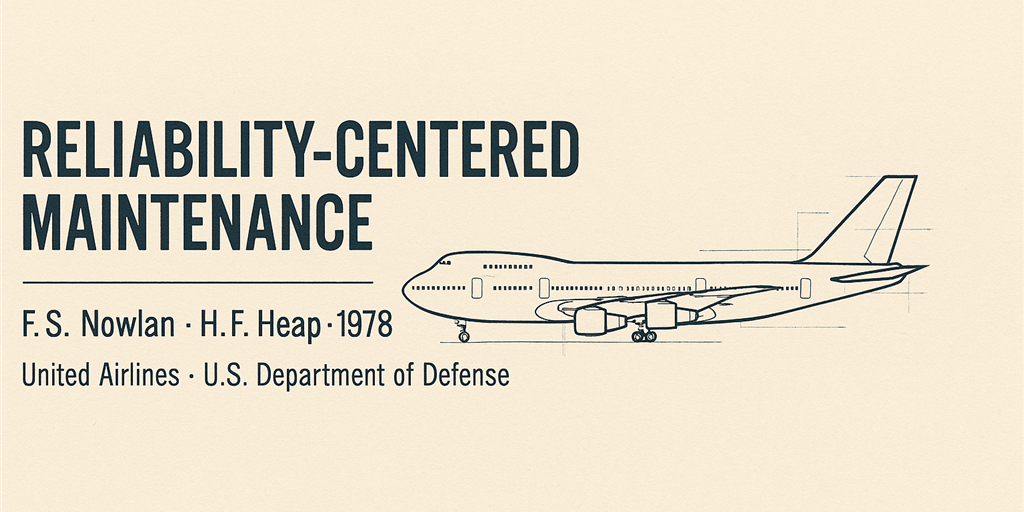
The founding document of RCM. Proved that most failures are not age-related and broke the overhaul-everything mindset. Read it for the reasoning, not as a 2026 playbook.
Less famous than the classics, but this is where mature sites get most of their gains – often more than from any new technology.
Mature sites don't add more maintenance – they detect defects, eliminate the causes, and stop them coming back. The biggest mindset shift in modern reliability.
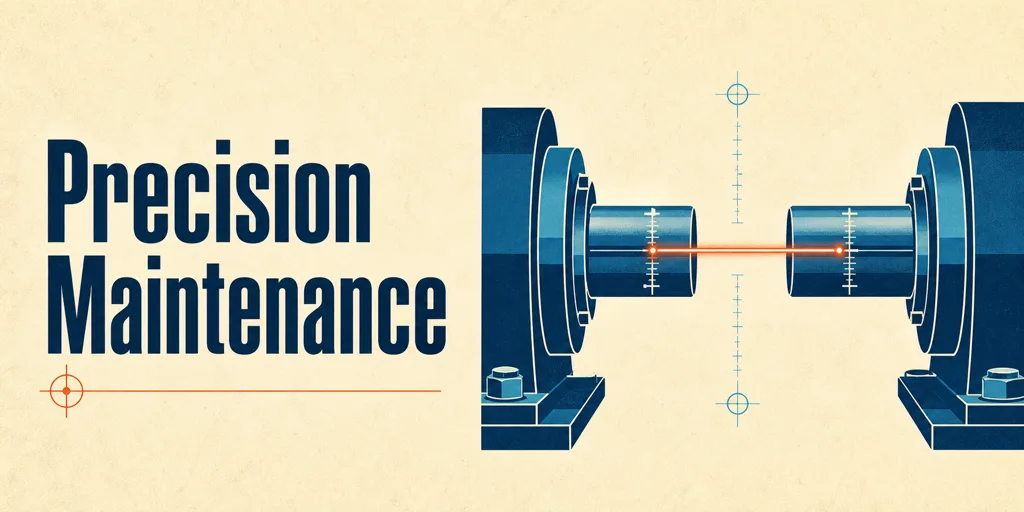
One of the most underrated levers in the industry. More reliability gains come from precision installation than from AI – and they compound for years.
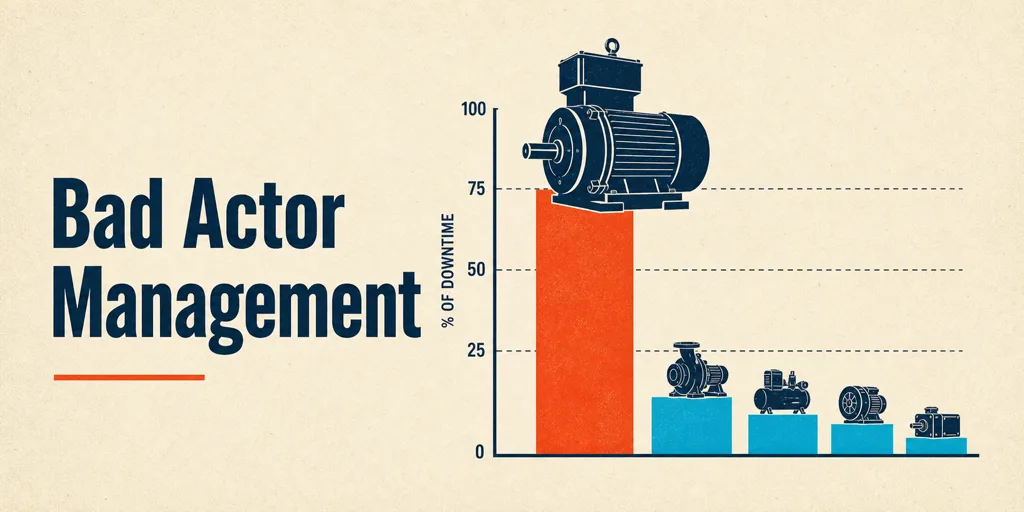
A handful of assets eat most of your budget and downtime. Finding, ranking and systematically eliminating them is now a core reliability discipline.
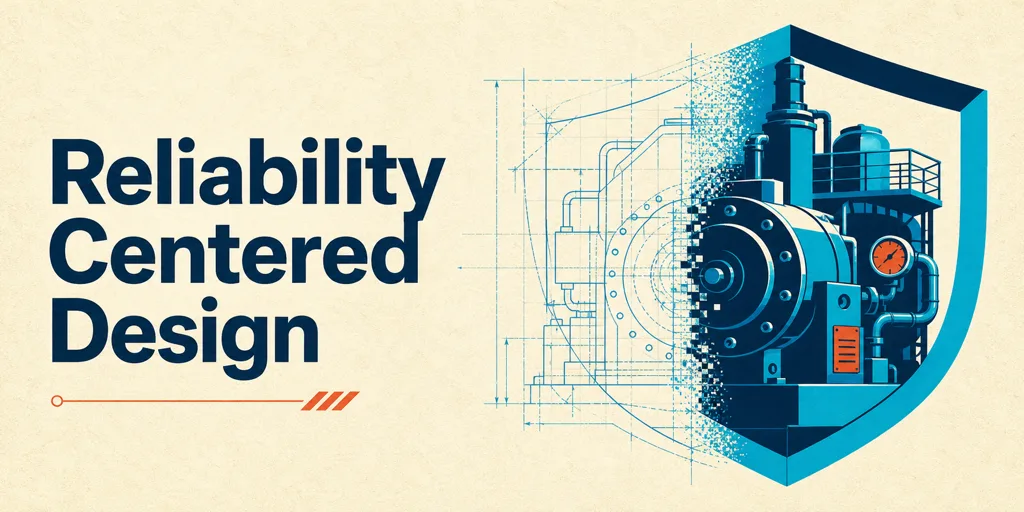
Rarely taught, hugely valuable: the best sites eliminate defects at the design stage instead of managing them for 20 years afterwards.
Each summary on this page is original explanatory writing by Rob Reliability – we explain the key concepts in our own words and diagrams, and always link back to the original work. If you find these ideas useful, buy the books and support the authors: the summaries are a map, the originals are the territory.
Rob Reliability is independent and is not affiliated with, sponsored by or endorsed by any of the authors, publishers or organizations listed here. Book titles, trade names and trademarks remain the property of their respective owners and are used solely to identify the works being discussed. Cover images on the cards are AI-generated illustrative renderings, not the actual publications. No text or images from the original works are reproduced. Rights holders with any concern can reach us at hello@robreliability.com.
RCM, Weibull, bad actors, PM optimization – we run these methods on your data, augmented by AI, in a fraction of the usual time. Tell us which concept you want working on your site.